

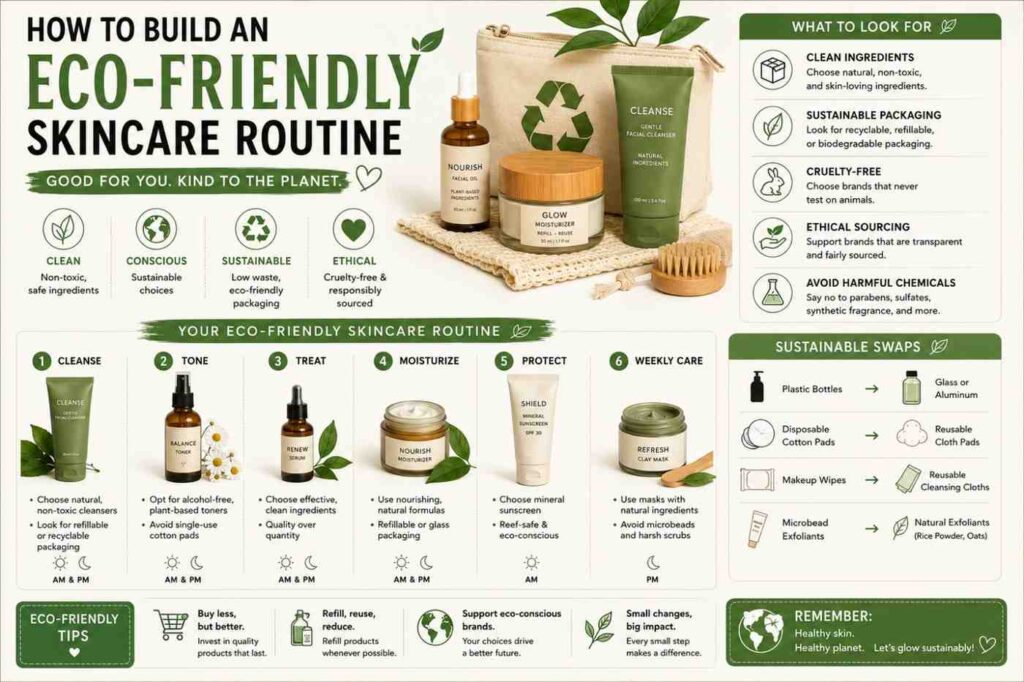
Quick Answer About How to Build an Eco-Friendly Skincare Routine
Building an eco-friendly skincare routine involves making conscious choices that support both healthy skin and environmental sustainability. The process begins by simplifying your skincare regimen and focusing on essential products that genuinely benefit your skin rather than following every beauty trend. Choosing products made with responsibly sourced ingredients, cruelty-free testing standards, and recyclable or refillable packaging can significantly reduce your environmental footprint.
An effective sustainable skincare routine also includes adopting mindful habits such as reducing water waste, properly recycling empty containers, and purchasing products only when needed. Consumers who prioritize ethical skincare products help encourage brands to invest in sustainable manufacturing practices and environmentally responsible packaging solutions. Whether you are completely new to sustainable beauty or looking to improve your existing routine, small changes can make a meaningful difference over time. By combining thoughtful product choices with eco-conscious daily habits, you can create a skincare routine that supports your personal wellness goals while contributing to a healthier planet.
How to Build an Eco-Friendly Skincare Routine
As environmental awareness continues to grow, more consumers are looking for practical ways to reduce their impact on the planet. One area that often goes overlooked is personal care. The products we use every day, including cleansers, moisturizers, serums, and sunscreens, can contribute to environmental challenges through excessive packaging, unsustainable ingredient sourcing, and wasteful consumption habits. Learning how to build an eco-friendly skincare routine allows individuals to make more responsible choices without sacrificing the quality or effectiveness of their skincare regimen.
An environmentally friendly skincare routine is not about perfection or replacing every product overnight. Instead, it focuses on making gradual improvements that reduce waste, support ethical brands, and prioritize sustainability throughout the product lifecycle. From selecting sustainable beauty products to reducing unnecessary purchases, every decision contributes to a more conscious approach to skincare.
Many consumers assume that sustainable beauty requires expensive products or complicated routines. In reality, the most effective eco-friendly skincare routines are often simpler and more intentional. By understanding what makes skincare sustainable and implementing a few practical changes, anyone can create a routine that benefits both their skin and the environment. This guide explores the key principles of sustainable skincare and provides actionable steps to help you make informed, environmentally responsible choices.
Understanding Eco-Friendly Skincare
Before building a sustainable skincare routine, it is important to understand what eco-friendly skincare actually means. The term is frequently used in marketing, but not all products labeled as “green,” “natural,” or “clean” meet meaningful sustainability standards. True eco-friendly skincare considers the environmental impact of a product throughout its entire lifecycle, from ingredient sourcing and manufacturing to packaging and disposal.
Sustainable skincare goes beyond simply choosing products with natural ingredients. It involves supporting brands that prioritize ethical sourcing, responsible production methods, cruelty-free testing practices, and environmentally friendly packaging. It also encourages consumers to adopt mindful habits that reduce unnecessary waste and overconsumption. The goal is to create a balance between effective skincare and environmental responsibility.
As the beauty industry continues to evolve, consumers have more opportunities than ever to make informed choices. Understanding the principles behind eco-friendly skincare helps separate genuine sustainability efforts from marketing claims and allows individuals to support brands that align with their values. Whether your motivation is reducing plastic waste, supporting ethical sourcing, or minimizing your carbon footprint, developing a deeper understanding of sustainable beauty is the first step toward building a skincare routine that benefits both your skin and the planet.
What Does Eco-Friendly Skincare Mean?
Eco-friendly skincare refers to products, ingredients, packaging, and consumer habits designed to minimize environmental harm while maintaining effective skin care results. Unlike conventional skincare products that may rely heavily on plastic packaging, resource-intensive manufacturing, or questionable sourcing practices, sustainable skincare emphasizes responsible choices at every stage of production and consumption.
One important aspect of eco-friendly skincare is ingredient sourcing. Sustainable ingredients are often harvested using methods that protect biodiversity, preserve ecosystems, and support local communities. Ethical sourcing helps ensure that natural resources are not depleted faster than they can regenerate. In addition, many environmentally responsible brands prioritize renewable resources and avoid ingredients associated with habitat destruction or environmental degradation.
Packaging also plays a significant role in determining whether a skincare product is eco-friendly. Brands that use recyclable materials, refillable containers, biodegradable packaging, or reduced packaging waste generally have a lower environmental impact than those relying on excessive single-use plastics.
Beyond the products themselves, eco-friendly skincare includes consumer behavior. Purchasing only what is needed, using products completely before replacing them, and recycling responsibly are all important components of a sustainable skincare routine. By considering the full environmental impact of skincare choices, consumers can make decisions that support both personal wellness and global sustainability efforts.
Why Sustainable Beauty Matters
Sustainable beauty has become increasingly important as awareness grows about the environmental challenges associated with consumer products. The beauty industry produces millions of units of packaging every year, much of which ends up in landfills or contributes to plastic pollution. Single-use containers, excessive packaging materials, and complex product components often make recycling difficult, creating long-term environmental concerns.
In addition to packaging waste, ingredient sourcing can also have a significant impact on ecosystems. Unsustainable harvesting practices may contribute to deforestation, habitat loss, biodiversity decline, and resource depletion. Some ingredients require large amounts of water, energy, or agricultural land, increasing their overall environmental footprint. By choosing products made with sustainable ingredients, consumers can help support more responsible production methods.
Sustainable beauty also encourages companies to improve transparency and accountability. As consumer demand for eco-conscious products increases, more brands are investing in ethical sourcing, renewable energy, sustainable packaging innovations, and cruelty-free testing alternatives. This market shift creates positive pressure across the industry and promotes more environmentally responsible business practices.
Ultimately, sustainable beauty matters because individual purchasing decisions collectively influence industry standards. Every product choice sends a signal to manufacturers about what consumers value. Supporting eco-friendly skincare products helps encourage a future where beauty and environmental responsibility can coexist more effectively.
Benefits for Skin and the Environment
One of the most appealing aspects of eco-friendly skincare is that it often benefits both personal skin health and environmental sustainability. While many consumers initially adopt sustainable beauty practices for environmental reasons, they frequently discover additional advantages that improve their overall skincare experience.
Many sustainable skincare products focus on high-quality formulations with carefully selected ingredients. Rather than relying on excessive additives, unnecessary fillers, or overly complicated ingredient lists, eco-conscious brands often emphasize simplicity and effectiveness. This approach can be particularly beneficial for individuals with sensitive or reactive skin who prefer gentle formulations that support skin barrier health.
From an environmental perspective, sustainable skincare helps reduce waste generation, lower resource consumption, and minimize pollution. Choosing refillable products, recyclable packaging, and responsibly sourced ingredients contributes to a more circular economy where materials are reused rather than discarded. These choices help reduce pressure on landfills and decrease the environmental impact associated with manufacturing new packaging materials.
Eco-friendly skincare can also encourage more mindful consumption habits. Consumers often become more intentional about their purchases, focusing on products they truly need rather than accumulating unnecessary items. This not only reduces waste but also promotes a healthier relationship with beauty and personal care. By supporting sustainable beauty practices, individuals can enjoy effective skincare while making a positive contribution to environmental conservation efforts.
Start With a Minimalist Skincare Routine
One of the most effective and often overlooked ways to create a sustainable skincare routine is to adopt a minimalist approach. Many consumers are encouraged by beauty trends, social media influencers, and marketing campaigns to purchase numerous products that promise specific benefits. While some specialized treatments can be useful, most people do not need a complicated 10-step routine to maintain healthy skin. In fact, excessive product use can increase waste, lead to unnecessary spending, and sometimes even contribute to skin irritation.
A minimalist skincare routine focuses on quality rather than quantity. Instead of constantly trying new products, consumers can build a routine around a few carefully selected essentials that address their skin’s actual needs. This approach not only reduces environmental impact but also simplifies daily skincare habits and makes product choices more intentional.
Reducing consumption is one of the core principles of sustainability. Every product purchased requires raw materials, manufacturing resources, transportation, and packaging. By using fewer products and maximizing the value of each purchase, individuals can significantly lower their environmental footprint. A minimalist routine also makes it easier to track which products work well for your skin, reducing the likelihood of impulse purchases and product waste. Ultimately, simplicity often leads to more sustainable and effective skincare practices that benefit both consumers and the environment.
Minimalist vs Traditional Skincare Routine
| Factor | Minimalist Skincare Routine | Traditional Multi-Step Routine |
|---|---|---|
| Number of Products | 3–5 essential products | 8–15 or more products |
| Packaging Waste | Low | High |
| Monthly Spending | Lower | Higher |
| Product Waste | Minimal | Often significant |
| Environmental Impact | Lower carbon footprint | Higher resource consumption |
| Ease of Maintenance | Simple and consistent | Time-consuming |
| Sustainability Score | High | Moderate to Low |
| Suitable For | Most skin types | Specific skincare enthusiasts |
Avoid Overconsumption
Overconsumption is one of the biggest contributors to waste within the beauty industry. Many people purchase skincare products faster than they can use them, resulting in expired products, partially used containers, and unnecessary packaging waste. Marketing campaigns often create the impression that achieving healthy skin requires an extensive collection of cleansers, serums, masks, exfoliants, and treatments. However, this approach is rarely necessary and can lead to excessive consumption habits.
Building an eco-friendly skincare routine starts with evaluating your current products and identifying which ones genuinely serve a purpose. Instead of buying products because they are trending or heavily promoted online, focus on products that address your specific skin concerns. Before making a new purchase, consider whether the product fills an actual gap in your routine or simply duplicates an item you already own.
Reducing overconsumption also helps prevent ingredient waste and lowers the environmental impact associated with production and shipping. Every skincare product requires resources such as water, energy, raw materials, and transportation. Purchasing fewer products reduces demand for unnecessary manufacturing while encouraging more responsible consumer behavior.
By practicing mindful purchasing habits and resisting impulse buys, consumers can create a more sustainable skincare routine while saving money and reducing clutter. In many cases, a carefully selected collection of products delivers better results than an overcrowded skincare shelf.
Focus on Essential Products
A sustainable skincare routine should prioritize products that provide the greatest benefits while minimizing unnecessary complexity. For most individuals, a healthy skincare regimen can be built around a small number of core products. These typically include a gentle cleanser, a moisturizer suited to your skin type, a broad-spectrum sunscreen, and one or two targeted treatments if needed.
The cleanser helps remove dirt, oil, and environmental pollutants that accumulate throughout the day. A moisturizer supports skin barrier function and helps maintain hydration. Sunscreen remains one of the most important skincare products because it protects against UV damage, premature aging, and other skin concerns. Additional products such as serums or treatments should only be added when they serve a specific purpose supported by your skin’s needs.
Focusing on essential products reduces packaging waste and minimizes the resources required to manufacture and transport multiple items. It also simplifies product selection, making it easier to choose sustainable beauty products that align with your environmental values.
A streamlined routine often improves consistency as well. When skincare becomes less complicated, individuals are more likely to maintain healthy habits over the long term. By concentrating on proven essentials rather than constantly chasing new trends, consumers can achieve effective skincare results while supporting a more sustainable lifestyle.
Finish Products Before Replacing Them
One of the simplest yet most impactful sustainability practices is using skincare products completely before purchasing replacements. Many consumers accumulate partially used products because they become interested in new launches, seasonal promotions, or social media recommendations. As a result, countless products expire before they are fully utilized, leading to unnecessary waste and increased environmental impact.
Finishing products before replacing them helps maximize the value of every purchase. It ensures that the resources invested in producing, packaging, and shipping the product are fully utilized rather than wasted. This practice also reduces clutter and helps consumers better understand which products genuinely deliver results.
Creating a replacement-only purchasing habit can significantly improve sustainability. Before buying a new cleanser, moisturizer, or serum, assess whether your current product is nearly empty and whether the replacement serves a clear purpose. Keeping a simple inventory of frequently used skincare items can prevent accidental overbuying and reduce duplicate purchases.
In addition to reducing waste, this habit often saves money and encourages more thoughtful consumption. Sustainable beauty is not only about choosing environmentally friendly products; it is also about using those products responsibly. Finishing products before replacing them represents a practical and accessible step toward building a more eco-friendly skincare routine.
Choose Sustainable Ingredients
The ingredients used in skincare products have a significant influence on both product effectiveness and environmental impact. While packaging often receives the most attention in sustainability discussions, ingredient sourcing and production methods are equally important. The cultivation, harvesting, processing, and transportation of raw materials can affect ecosystems, biodiversity, water resources, and local communities.
Choosing products made with sustainable ingredients helps support responsible environmental practices while encouraging greater transparency within the beauty industry. Sustainable ingredients are typically sourced using methods that minimize ecological damage and promote long-term resource availability. Many eco-conscious brands also prioritize fair labor practices and ethical sourcing relationships with local producers.
Consumers do not need to become ingredient experts to make better choices. Learning to identify common sustainability certifications, understanding basic sourcing principles, and researching brand transparency can make a substantial difference. Sustainable skincare is not about achieving perfection but about making informed decisions whenever possible.
As awareness of environmental issues continues to grow, more brands are investing in responsible sourcing programs and sustainable ingredient development. Supporting these efforts helps encourage positive industry change while allowing consumers to align their skincare purchases with their environmental values. By paying closer attention to ingredient selection, individuals can create a skincare routine that supports healthier skin and a healthier planet.
Look for Responsibly Sourced Ingredients
Responsibly sourced ingredients form the foundation of truly sustainable skincare products. Ethical sourcing refers to obtaining raw materials in ways that protect ecosystems, respect local communities, and ensure long-term environmental sustainability. When ingredients are harvested responsibly, natural resources can regenerate over time without causing significant ecological damage.
Many plant-based ingredients used in skincare originate from regions where biodiversity is particularly important. Unsustainable harvesting practices can contribute to habitat destruction, soil degradation, and resource depletion. Responsible sourcing programs aim to minimize these risks by implementing sustainable farming, harvesting, and conservation practices.
Consumers can often evaluate sourcing practices by reviewing brand sustainability reports, ingredient transparency statements, and certification programs. Companies committed to sustainability frequently provide information about where ingredients are sourced and how environmental standards are maintained throughout the supply chain.
Supporting responsibly sourced ingredients encourages better industry practices and rewards companies that invest in long-term environmental stewardship. While ingredient sourcing information may not always be readily available, choosing transparent brands can help consumers make more informed purchasing decisions. Over time, increased demand for sustainably sourced ingredients can contribute to meaningful improvements throughout the beauty industry.
Understand Ingredient Certifications
Ingredient certifications provide consumers with valuable guidance when evaluating skincare products. Because sustainability claims can vary significantly between brands, independent certifications help establish standards and improve transparency. While no certification system is perfect, recognized programs often indicate that products have undergone additional review regarding sourcing, production, or environmental practices.
Certifications such as USDA Organic and COSMOS Organic are commonly associated with sustainable beauty products. These standards typically evaluate factors such as ingredient origin, agricultural practices, environmental impact, and manufacturing processes. Consumers interested in eco-friendly skincare can use these certifications as one part of their product evaluation process.
It is important to remember that certifications should not be the only factor influencing purchasing decisions. Some smaller brands may follow excellent sustainability practices but lack the resources to pursue formal certification programs. Therefore, certifications are most effective when combined with research into company transparency and sourcing policies.
Understanding certification labels helps consumers navigate a crowded marketplace filled with competing sustainability claims. Rather than relying solely on marketing language such as “green” or “natural,” shoppers can use recognized standards to make more informed choices. This approach supports greater accountability and encourages brands to maintain higher environmental and ethical standards.
Avoid Environmentally Harmful Ingredients
Creating a sustainable skincare routine also involves understanding which ingredients may pose environmental concerns. Certain ingredients can negatively affect ecosystems during production, usage, or disposal. Although not every ingredient has a clearly defined environmental impact, researching commonly discussed concerns can help consumers make more informed decisions.
Some ingredients may contribute to water pollution, threaten marine life, or require resource-intensive production methods. In other cases, environmental concerns arise from unsustainable harvesting practices rather than the ingredients themselves. This highlights the importance of considering both the ingredient and its source when evaluating sustainability.
Consumers do not need to memorize extensive ingredient lists to make responsible choices. Instead, focusing on transparent brands that openly discuss ingredient sourcing and environmental policies can simplify the decision-making process. Organizations such as the Environmental Working Group (EWG) and other independent resources may also help consumers learn more about specific ingredients and their potential impacts.
Avoiding environmentally harmful ingredients does not mean eliminating every synthetic ingredient from your routine. In some cases, responsibly produced synthetic ingredients may offer sustainability advantages over natural alternatives. The key is evaluating products based on scientific evidence, responsible sourcing practices, and overall environmental impact rather than relying solely on marketing claims or assumptions.
Select Ethical and Responsible Brands
Choosing sustainable skincare products is not only about examining ingredient lists or packaging materials. The values, policies, and business practices of the company behind the product are equally important. Ethical and responsible brands take a comprehensive approach to sustainability by considering environmental impact, supply chain transparency, labor practices, animal welfare, and long-term resource management. As consumers become more environmentally conscious, many companies are adapting their business models to meet growing expectations for accountability and sustainability.
However, identifying genuinely responsible brands can be challenging. Marketing terms such as “green,” “natural,” and “eco-friendly” are frequently used without clear definitions or measurable standards. This makes it essential for consumers to look beyond advertising claims and evaluate a brand’s actual sustainability efforts. Transparent companies often provide detailed information about their sourcing practices, manufacturing processes, environmental goals, and social responsibility initiatives.
Supporting ethical skincare brands sends a powerful message to the beauty industry. Consumer purchasing decisions influence market trends and encourage companies to adopt more sustainable practices. By researching brands carefully and prioritizing transparency, consumers can build an eco-friendly skincare routine that aligns with their values while supporting businesses committed to positive environmental and social change. A thoughtful approach to brand selection helps ensure that sustainability extends beyond individual products and becomes part of a larger effort to create a more responsible beauty industry.
Identify Transparent Companies
Transparency is one of the strongest indicators of a genuinely responsible skincare brand. Companies that prioritize sustainability are typically willing to share detailed information about their ingredients, sourcing methods, manufacturing processes, packaging choices, and environmental goals. Rather than relying on vague marketing language, transparent brands provide consumers with meaningful insights into how their products are developed and how they address sustainability challenges.
When evaluating a skincare company, look for information on its website regarding ingredient origins, supplier relationships, environmental initiatives, and sustainability reports. Brands that openly discuss both their achievements and ongoing challenges often demonstrate a stronger commitment to accountability than those that make broad claims without supporting evidence. Transparency also allows consumers to make informed decisions based on facts rather than promotional messaging.
Many responsible companies publish annual sustainability reports outlining their progress toward reducing waste, lowering carbon emissions, improving packaging, or sourcing ingredients more ethically. These reports provide valuable information about whether a company is actively working toward measurable environmental goals. Consumers should also pay attention to third-party certifications and independent audits that help verify sustainability claims.
Ultimately, transparent companies foster trust by providing clear, accessible information. When brands openly communicate their practices and progress, consumers can feel more confident that their purchases support businesses genuinely committed to environmental responsibility and ethical operations.
Look for Cruelty-Free Certifications
Cruelty-free skincare has become an important consideration for consumers seeking a more ethical and sustainable beauty routine. Cruelty-free products are developed without animal testing, helping support more humane product development practices within the cosmetics and skincare industries. While many brands claim to be cruelty-free, independent certification programs provide additional assurance that specific standards have been met.
One of the most recognized cruelty-free certifications is provided by the Leaping Bunny program. The certification requires participating companies to verify that neither their products nor ingredients are tested on animals throughout the supply chain. This level of oversight helps consumers identify brands that have made a formal commitment to cruelty-free practices.
Cruelty-free certifications also contribute to broader ethical business standards. Consumers increasingly expect companies to consider animal welfare alongside environmental sustainability and social responsibility. By supporting certified cruelty-free brands, shoppers encourage the beauty industry to invest in alternative testing methods and continue reducing reliance on animal testing.
It is important to note that cruelty-free certification and vegan certification are not always the same. A product may be cruelty-free while still containing animal-derived ingredients. Consumers seeking both cruelty-free and vegan skincare products should review product labels carefully. Including certified cruelty-free products in your eco-friendly skincare routine helps align personal care choices with ethical values while supporting positive industry change.
Watch for Greenwashing
As sustainability becomes a major consumer priority, some companies attempt to capitalize on environmental concerns through a practice known as greenwashing. Greenwashing occurs when a brand presents itself as environmentally responsible without implementing meaningful sustainability measures. This can make it difficult for consumers to distinguish between genuine eco-conscious companies and those relying primarily on marketing tactics.
Greenwashing often involves vague claims such as “all-natural,” “green,” “eco-safe,” or “environmentally friendly” without providing evidence to support these statements. Some brands may highlight a single sustainable feature while ignoring larger environmental concerns associated with their products or operations. For example, a company might promote recyclable packaging while failing to address unsustainable ingredient sourcing or excessive manufacturing emissions.
To avoid being misled by greenwashing, consumers should seek specific information about a company’s sustainability efforts. Look for measurable goals, third-party certifications, ingredient transparency, and publicly available environmental reports. Brands that openly share data and acknowledge areas for improvement are often more credible than those making broad, unsupported claims.
Developing critical evaluation skills helps consumers make informed purchasing decisions and support companies that are genuinely committed to sustainability. By recognizing greenwashing tactics and rewarding authentic environmental efforts, shoppers can encourage greater transparency and accountability throughout the skincare industry.
Reduce Packaging Waste
Packaging represents one of the most visible environmental challenges within the beauty and skincare industry. Many skincare products are sold in plastic containers, mixed-material packaging, pumps, caps, boxes, and protective wrapping that can be difficult or impossible to recycle. As a result, a significant portion of beauty packaging ends up in landfills or contributes to global plastic pollution. Reducing packaging waste is therefore one of the most impactful steps consumers can take when building an eco-friendly skincare routine.
Sustainable packaging solutions have become increasingly common as brands respond to growing consumer demand for environmentally responsible products. Refillable systems, recyclable materials, biodegradable packaging, and minimalist design approaches are helping reduce waste across the industry. However, consumers still need to evaluate packaging carefully because not all sustainability claims reflect meaningful environmental improvements.
Reducing packaging waste requires both thoughtful purchasing decisions and responsible disposal practices. Choosing products with refillable containers, avoiding excessive packaging, and supporting brands that prioritize sustainability can significantly decrease the amount of waste generated through daily skincare routines. Small changes made consistently over time can have a meaningful impact on resource consumption and landfill contributions.
By understanding the environmental implications of packaging choices, consumers can make better decisions that support both sustainability goals and effective skincare practices. Packaging may seem like a minor detail, but it often represents one of the largest opportunities for reducing the environmental footprint of personal care products.
Sustainable Packaging Options for Skincare Products
| Packaging Type | Sustainability Level | Recyclability | Main Benefit |
|---|---|---|---|
| Refillable Containers | Very High | High | Significantly reduces packaging waste |
| Glass Bottles | High | Excellent | Can be recycled repeatedly |
| Aluminum Containers | High | Excellent | Lightweight and highly recyclable |
| FSC-Certified Cardboard | High | Excellent | Supports responsible forestry practices |
| Biodegradable Packaging | Moderate to High | Not always required | Breaks down naturally under proper conditions |
| Mixed Plastic Packaging | Low | Limited | Difficult to recycle effectively |
| Single-Use Plastic Containers | Very Low | Often limited | Creates the most waste over time |
Choose Refillable Products
Refillable skincare products have emerged as one of the most promising solutions for reducing packaging waste within the beauty industry. Instead of purchasing a completely new container each time a product runs out, consumers buy refill cartridges, pouches, or replacement inserts that use significantly fewer materials than traditional packaging. This approach helps reduce the demand for new plastic, glass, and other packaging resources.
Many skincare brands now offer refillable options for popular products such as cleansers, moisturizers, serums, and body care items. Although the initial purchase may sometimes cost more due to the durable container, refill systems often provide long-term savings while generating less waste. Consumers also benefit from maintaining familiar products without repeatedly discarding packaging components.
The environmental advantages of refillable skincare packaging extend beyond waste reduction. Manufacturing fewer containers generally requires less energy, fewer raw materials, and reduced transportation resources. Over time, these efficiencies contribute to lower environmental impact throughout the product lifecycle.
When evaluating refill programs, consumers should consider the availability of refills, the durability of the original packaging, and the overall sustainability of the system. Not all refill programs offer the same environmental benefits, but well-designed refillable packaging systems can play a valuable role in creating a more sustainable skincare routine.
Prioritize Recyclable Materials
Recyclable packaging is another important factor to consider when choosing sustainable beauty products. While recycling is not a perfect solution, selecting products packaged in materials that can be effectively recycled helps reduce landfill waste and supports the reuse of valuable resources. Common recyclable materials include glass, aluminum, cardboard, and certain types of plastic that are widely accepted by local recycling programs.
Glass packaging is often favored within sustainable skincare because it can typically be recycled repeatedly without significant loss of quality. Aluminum also offers strong recycling potential and requires less energy to recycle than to produce from raw materials. Cardboard packaging made from responsibly sourced paper products can further reduce environmental impact when properly recycled.
Consumers should be aware that not all recyclable packaging is equally recyclable in practice. Mixed-material packaging, colored plastics, pumps, droppers, and small components may be difficult to process through standard recycling systems. Checking local recycling guidelines can help determine whether specific materials are accepted within your area.
Choosing products with straightforward, recyclable packaging designs supports a more circular economy by keeping materials in use for longer periods. Combined with proper recycling habits, these choices help reduce waste and encourage manufacturers to invest in more sustainable packaging solutions.
Consider Plastic-Free Alternatives
Plastic-free skincare has gained significant popularity among environmentally conscious consumers seeking to minimize their contribution to plastic pollution. Traditional beauty packaging often relies heavily on plastic because it is lightweight, durable, and inexpensive. However, plastic waste can persist in the environment for decades, making plastic reduction an important sustainability goal.
Many brands now offer plastic-free alternatives that use materials such as glass, aluminum, paperboard, bamboo, or compostable packaging. Solid skincare products, including cleansing bars, shampoo bars, and moisturizer bars, often eliminate the need for plastic containers altogether. These alternatives can significantly reduce packaging waste while still delivering effective skincare benefits.
Consumers interested in plastic-free skincare should evaluate products carefully to ensure that sustainability claims are supported by practical environmental benefits. For example, compostable packaging may require specific industrial composting facilities that are not available in all regions. Understanding disposal requirements helps ensure that packaging achieves its intended environmental advantages.
Transitioning to plastic-free skincare does not need to happen overnight. Even replacing a few commonly used products with lower-waste alternatives can reduce overall plastic consumption. Over time, these changes contribute to a more sustainable beauty routine while encouraging continued innovation in environmentally responsible packaging solutions.
Build Sustainable Daily Habits
Choosing eco-friendly skincare products is only one part of creating a truly sustainable beauty routine. Daily habits play an equally important role in reducing environmental impact. Even the most environmentally responsible products can contribute to waste if they are used inefficiently or disposed of improperly. Building sustainable daily habits helps maximize the benefits of eco-friendly skincare while supporting broader environmental goals.
Many people focus heavily on product selection but overlook how their everyday actions affect sustainability. Simple behaviors such as reducing water consumption, recycling packaging correctly, and purchasing products more thoughtfully can significantly decrease the environmental footprint of a skincare routine. These habits require little effort to implement yet can produce meaningful long-term results.
Sustainable skincare should be viewed as an ongoing lifestyle approach rather than a one-time purchasing decision. Small improvements made consistently often have a greater impact than occasional large changes. Consumers who develop environmentally conscious habits tend to become more mindful of their overall consumption patterns, leading to positive changes beyond skincare alone.
The goal is not perfection but progress. By incorporating practical sustainability practices into daily routines, individuals can support healthier environmental outcomes while continuing to enjoy effective skincare products. Over time, these habits become second nature, making sustainable beauty a natural and achievable part of everyday life.
Reduce Water Usage
Water conservation is an important but often overlooked aspect of sustainable skincare. Many skincare routines involve multiple cleansing steps, rinsing processes, and product applications that can contribute to unnecessary water consumption. While a single routine may not seem significant, small daily habits performed by millions of people can collectively have a substantial environmental impact.
One of the easiest ways to reduce water usage is to turn off the tap while cleansing, massaging products into the skin, or brushing teeth during a skincare routine. Allowing water to run continuously during these activities can waste a considerable amount of water over time. Being mindful of how and when water is used helps promote more efficient consumption without compromising skincare effectiveness.
Consumers can also choose products designed to require less rinsing or products that perform multiple functions within a routine. Gentle cleansers that work effectively with minimal water and multitasking skincare products can help reduce overall resource consumption. Additionally, avoiding excessively long showers can further support water conservation efforts.
Reducing water usage not only benefits the environment but can also lower household utility costs. These simple adjustments demonstrate how sustainability often involves practical behavioral changes rather than major lifestyle sacrifices. Incorporating water-saving habits into a skincare routine is a straightforward yet meaningful step toward a more eco-friendly approach to personal care.
Recycle Correctly
Recycling skincare packaging properly is essential for reducing waste and supporting a circular economy. While many consumers place empty containers into recycling bins with good intentions, improper recycling practices can contaminate recycling streams and reduce the effectiveness of local recycling programs. Understanding how to recycle skincare packaging correctly helps ensure that recyclable materials are processed appropriately rather than sent to landfills.
Before recycling a product, it is important to empty and clean the container whenever possible. Residual creams, lotions, oils, and cleansers can interfere with recycling processes if left inside packaging. Consumers should also separate components when feasible, as pumps, droppers, mirrors, and mixed-material packaging often require special handling.
Local recycling guidelines vary significantly between regions, so checking municipal recycling requirements is crucial. Materials accepted in one area may not be recyclable in another. Some beauty brands also partner with specialized recycling organizations that accept difficult-to-recycle packaging through dedicated collection programs.
Correct recycling practices help extend the life cycle of materials and reduce demand for new raw resources. Although recycling is only one part of a broader sustainability strategy, it remains an important step in minimizing the environmental impact of skincare products. When combined with waste reduction and mindful consumption, proper recycling supports a more responsible and environmentally conscious beauty routine.
Buy Only What You Need
Intentional purchasing is one of the most effective ways to build a sustainable skincare routine. Many consumers accumulate products because of sales promotions, influencer recommendations, seasonal trends, or the desire to try new formulations. While experimenting with skincare can be enjoyable, excessive purchasing often results in product waste, expired items, and unnecessary packaging consumption.
Buying only what you need encourages a more thoughtful approach to skincare. Before making a purchase, consider whether the product serves a specific purpose within your routine and whether a similar product is already available in your collection. Asking these simple questions can help prevent impulse purchases and reduce unnecessary consumption.
Creating a purchasing plan can also improve sustainability. Keeping track of frequently used products and replacing them only when they are nearly empty helps minimize waste while ensuring that essential items remain available. Consumers may also benefit from purchasing appropriately sized products rather than buying large quantities that may expire before use.
Intentional buying supports both environmental and financial goals. Fewer unnecessary purchases mean less packaging waste, reduced manufacturing demand, and lower transportation emissions associated with product distribution. By focusing on quality over quantity, consumers can build a more sustainable skincare routine while enjoying a simpler and more organized approach to personal care.
Eco-Friendly Skincare Checklist
Building a sustainable skincare routine can sometimes feel overwhelming, especially for beginners who are unsure where to start. An eco-friendly skincare checklist provides a practical framework for evaluating products, habits, and purchasing decisions. Rather than striving for perfection, consumers can use a checklist to identify opportunities for gradual improvement and make more informed choices over time.
The checklist included in this guide highlights key areas that influence the environmental impact of skincare products, including packaging, ingredients, testing practices, purchasing habits, disposal methods, and routine complexity. Reviewing these factors regularly helps ensure that sustainability remains an ongoing consideration rather than a one-time effort.
A checklist also serves as a useful decision-making tool when comparing products or evaluating new skincare purchases. Consumers can quickly assess whether a product aligns with their environmental values and determine if it supports their broader sustainability goals. This approach simplifies the process of building an eco-friendly skincare routine while reducing confusion created by marketing claims and conflicting information.
Sustainable beauty is a journey that evolves over time. As new products, packaging innovations, and environmental standards emerge, consumers can continue refining their routines and improving their habits. Using a structured checklist encourages consistent progress and helps transform sustainability from an abstract concept into a practical part of everyday skincare decisions.
| Area | Eco-Friendly Choice | Less Sustainable Choice |
|---|---|---|
| Packaging | Refillable containers | Single-use plastic |
| Ingredients | Responsibly sourced | Unsustainable harvesting |
| Testing | Cruelty-free | Animal testing |
| Purchasing | Buy when needed | Overstocking products |
| Disposal | Recycle properly | Landfill disposal |
| Routine | Minimalist skincare | Excessive product use |
Use the Checklist Regularly
A sustainability checklist is most effective when used consistently rather than occasionally. Reviewing skincare products against a set of environmental criteria before making purchases helps consumers develop more mindful shopping habits and avoid decisions driven solely by marketing or impulse buying. Regular use of a checklist encourages thoughtful evaluation and promotes long-term sustainability improvements.
Consumers can apply the checklist when replacing empty products, exploring new skincare categories, or comparing multiple brands. Questions such as whether the packaging is recyclable, whether ingredients are responsibly sourced, and whether the brand demonstrates transparency can guide more informed purchasing decisions. Over time, these considerations become natural parts of the shopping process.
Using a checklist regularly also helps identify patterns within existing skincare habits. Consumers may notice recurring issues such as excessive packaging waste, unnecessary product accumulation, or limited recycling opportunities. Recognizing these patterns creates opportunities for improvement and supports more sustainable choices in the future.
A checklist does not need to be complicated to be effective. Even a simple set of sustainability criteria can help consumers align their skincare routines with their environmental values while making gradual, meaningful progress toward a more eco-friendly lifestyle.
Improve One Habit at a Time
One of the most common misconceptions about sustainable living is the belief that major lifestyle changes are required immediately. In reality, long-term success often comes from making small, manageable improvements over time. The same principle applies to eco-friendly skincare. Attempting to overhaul an entire routine at once can be expensive, overwhelming, and ultimately difficult to maintain.
Focusing on one habit at a time allows consumers to build sustainable practices gradually. For example, someone might begin by replacing single-use plastic packaging with refillable products. Once that habit becomes established, they can focus on reducing water consumption, improving recycling practices, or choosing products with more sustainable ingredients.
This step-by-step approach makes sustainability more accessible and realistic for individuals at every stage of their journey. Small changes accumulate over time and often lead to larger behavioral shifts as environmental awareness increases. Consumers who experience success with one sustainable habit are frequently motivated to adopt additional eco-friendly practices.
Improving one habit at a time also reduces the pressure associated with achieving perfection. Sustainability is not about making flawless decisions but about making better decisions more consistently. Each positive change contributes to a more responsible skincare routine and supports broader environmental goals.
Focus on Long-Term Progress
Sustainability is most effective when viewed as a long-term commitment rather than a short-term project. Many consumers become discouraged when they cannot immediately eliminate all waste or find perfectly sustainable alternatives for every product. However, meaningful environmental progress is achieved through consistent effort and gradual improvement rather than perfection.
Focusing on long-term progress encourages a balanced and realistic approach to eco-friendly skincare. Instead of feeling pressured to replace every product overnight, consumers can make thoughtful upgrades as products are used up and replaced. This strategy minimizes waste while allowing sustainability improvements to occur naturally over time.
Long-term thinking also helps consumers evaluate the broader impact of their habits. A single refillable container may seem insignificant, but repeated use over several years can substantially reduce packaging waste. Similarly, consistently supporting ethical brands contributes to growing demand for sustainable products and encourages positive industry changes.
The most sustainable skincare routine is one that can be maintained over time. Building habits gradually, learning from experience, and remaining open to improvement create a foundation for lasting environmental responsibility. By prioritizing progress over perfection, consumers can develop a skincare routine that benefits both their skin and the planet for years to come.
Eco-Friendly Skincare Action Plan
| Sustainability Goal | Recommended Action | Environmental Benefit |
|---|---|---|
| Reduce packaging waste | Switch to refillable skincare products | Less plastic and packaging sent to landfills |
| Lower product consumption | Build a minimalist skincare routine | Reduced manufacturing and resource use |
| Support ethical brands | Choose cruelty-free and transparent companies | Encourages responsible industry practices |
| Use sustainable ingredients | Buy products with responsibly sourced ingredients | Protects biodiversity and natural resources |
| Improve recycling habits | Clean and recycle containers correctly | Increases material recovery and reduces waste |
| Reduce water usage | Turn off the tap while cleansing | Conserves freshwater resources |
| Avoid greenwashing | Verify certifications and sustainability reports | Supports genuinely sustainable brands |
| Create long-term impact | Make one sustainable change at a time | Builds lasting eco-friendly habits |
Frequently Asked Questions
As sustainable beauty continues to gain popularity, many consumers have questions about how to make environmentally responsible skincare choices without sacrificing product quality or effectiveness. The good news is that building an eco-friendly skincare routine does not require a complete lifestyle overhaul. Small, informed decisions can make a significant difference over time. The following frequently asked questions address some of the most common concerns about sustainable skincare, helping beginners and experienced skincare users alike better understand how to reduce their environmental impact while maintaining healthy skin.
What is an eco-friendly skincare routine?
An eco-friendly skincare routine is a skincare regimen designed to minimize environmental impact while supporting healthy skin. It focuses on choosing products made with responsibly sourced ingredients, sustainable packaging, cruelty-free testing methods, and ethical manufacturing practices. In addition to product selection, an environmentally friendly skincare routine includes habits such as reducing water waste, recycling containers properly, and avoiding unnecessary product purchases.
Unlike traditional skincare approaches that may prioritize convenience without considering environmental consequences, sustainable skincare encourages consumers to think about the entire lifecycle of a product. This includes ingredient sourcing, production, transportation, usage, and disposal. The goal is to balance skincare effectiveness with environmental responsibility. By making thoughtful choices, consumers can maintain healthy skin while contributing to broader sustainability efforts that help protect natural resources and reduce waste.
How can I make my skincare routine more sustainable?
Making your skincare routine more sustainable often begins with simplifying it. Many people use more products than necessary, leading to excess waste, unnecessary spending, and increased environmental impact. Start by focusing on essential products such as a cleanser, moisturizer, sunscreen, and targeted treatments that address specific skin concerns.
Next, look for products with refillable, recyclable, or biodegradable packaging. Supporting cruelty-free brands and companies that prioritize responsible ingredient sourcing can further improve the sustainability of your routine. Reducing water consumption during cleansing and recycling containers correctly are also important steps.
One of the most effective strategies is adopting mindful purchasing habits. Avoid buying products simply because they are trending and instead choose items that serve a clear purpose in your skincare regimen. Small changes implemented consistently can significantly reduce your environmental footprint while maintaining an effective skincare routine.
Are natural skincare products always eco-friendly?
No, natural skincare products are not automatically eco-friendly. While natural ingredients are often perceived as more sustainable, their environmental impact depends heavily on how they are sourced, harvested, processed, and transported. Some natural ingredients require large amounts of land, water, or energy to produce, while others may contribute to habitat destruction if harvested unsustainably.
Similarly, synthetic ingredients are not always harmful from an environmental perspective. In some cases, laboratory-produced ingredients can reduce pressure on natural ecosystems and offer more sustainable alternatives to certain plant-based materials. This is why evaluating sustainability requires looking beyond labels such as “natural” or “organic.”
Consumers should focus on brand transparency, ingredient sourcing practices, certifications, and environmental commitments rather than relying solely on marketing terminology. A truly eco-friendly product considers both ingredient sustainability and overall environmental impact throughout the supply chain.
What is zero-waste skincare?
Zero-waste skincare is an approach to personal care that aims to minimize or eliminate waste generated throughout the skincare process. This typically involves selecting products with refillable packaging, reusable containers, compostable materials, or packaging-free formats such as cleansing bars and moisturizer bars.
The goal of zero-waste skincare is to reduce the amount of material sent to landfills while encouraging a more circular approach to consumption. Consumers who adopt zero-waste practices often focus on purchasing fewer products, using products completely before replacement, and participating in specialized recycling or refill programs when available.
While achieving a completely zero-waste skincare routine may not be realistic for everyone, incorporating zero-waste principles can significantly reduce environmental impact. Even replacing a few commonly used products with lower-waste alternatives can contribute to a more sustainable beauty routine over time.
Why is refillable packaging important?
Refillable packaging is important because it reduces the need to manufacture new containers every time a product is purchased. Traditional skincare packaging often involves single-use plastic, glass, or mixed materials that require significant resources to produce and dispose of. Refillable systems help address this issue by allowing consumers to reuse durable containers multiple times.
In many cases, refill packages use fewer materials and generate less waste than full-size replacements. This reduces resource consumption, lowers transportation emissions, and decreases the overall environmental footprint of skincare products. Refillable packaging also encourages brands to invest in more sustainable product designs and long-term waste reduction strategies.
For consumers, refillable products often provide a convenient way to reduce packaging waste without making major changes to their skincare routine. Over time, widespread adoption of refill systems can contribute to significant reductions in beauty industry waste.
How do I identify greenwashing?
Greenwashing occurs when companies exaggerate or misrepresent their environmental efforts to appeal to eco-conscious consumers. Identifying greenwashing requires looking beyond marketing slogans and evaluating whether a company provides clear, verifiable information about its sustainability practices.
Warning signs include vague claims such as “all-natural,” “green,” or “environmentally friendly” without supporting evidence. Brands that make broad environmental statements but offer little transparency about sourcing, packaging, manufacturing, or sustainability goals may also be engaging in greenwashing.
Consumers should look for measurable commitments, third-party certifications, publicly available sustainability reports, and detailed information about environmental initiatives. Brands that openly discuss both their accomplishments and areas for improvement are often more trustworthy than those presenting themselves as perfectly sustainable. Taking time to research companies helps ensure that purchasing decisions support genuine sustainability efforts rather than marketing tactics.
Conclusion
Learning how to build an eco-friendly skincare routine is not about achieving perfection—it is about making more conscious choices that support both personal wellness and environmental sustainability. Every skincare product we purchase has an impact, whether through ingredient sourcing, manufacturing processes, packaging materials, transportation, or disposal. By becoming more intentional about these choices, consumers can significantly reduce their environmental footprint without sacrificing skincare performance.
Throughout this guide, we explored the core principles of sustainable beauty, including understanding eco-friendly skincare, embracing minimalist routines, selecting responsibly sourced ingredients, supporting ethical brands, reducing packaging waste, and developing sustainable daily habits. These strategies work together to create a skincare routine that aligns with modern environmental values while still meeting individual skincare needs.
One of the most important lessons is that small changes can produce meaningful results. Switching to refillable packaging, buying fewer products, recycling correctly, or choosing cruelty-free skincare may seem like minor actions individually, but collectively they contribute to positive environmental change. As more consumers adopt sustainable practices, the beauty industry is encouraged to invest in better products, more transparent operations, and innovative packaging solutions.
Building an eco-friendly skincare routine is ultimately a long-term journey rather than a one-time decision. By focusing on gradual improvement and informed choices, you can create a sustainable beauty routine that benefits your skin, supports ethical businesses, and helps protect the planet for future generations.
